Sex often hurts after menopause because your body produces far less estrogen. This drop in estrogen thins the vaginal walls, reduces natural lubrication, and makes the tissue less elastic. The result is dryness, friction, and sometimes a burning or tearing sensation during penetration. These changes are medically known as genitourinary syndrome of menopause (GSM), and they affect up to 50% of postmenopausal women.
Why Does Sex Hurt After Menopause? And What Can You Do About It
Painful sex after menopause catches a lot of women off guard. You might expect hot flashes and mood changes, but nobody really warns you that something as intimate as sex could start feeling uncomfortable or downright painful. It happens gradually for some women. For others, it shows up suddenly after a stretch of time without intercourse. Either way, the frustration is the same.
Here is what I know from running Good Girl Guide and from honest conversations at home. My wife went through this exact thing, and it was confusing for both of us. She thought something was wrong with her. I thought I was doing something wrong. Turns out, it was biology doing its thing, and neither of us had the information we needed at the time. This article breaks down why it happens, what makes it worse, and what steps can bring comfort back into your intimate life. No fluff, no medical jargon overload. Just clear answers.
☰
Navigate This Article
Table Of Contents For Why Does Sex Hurt After Menopause?
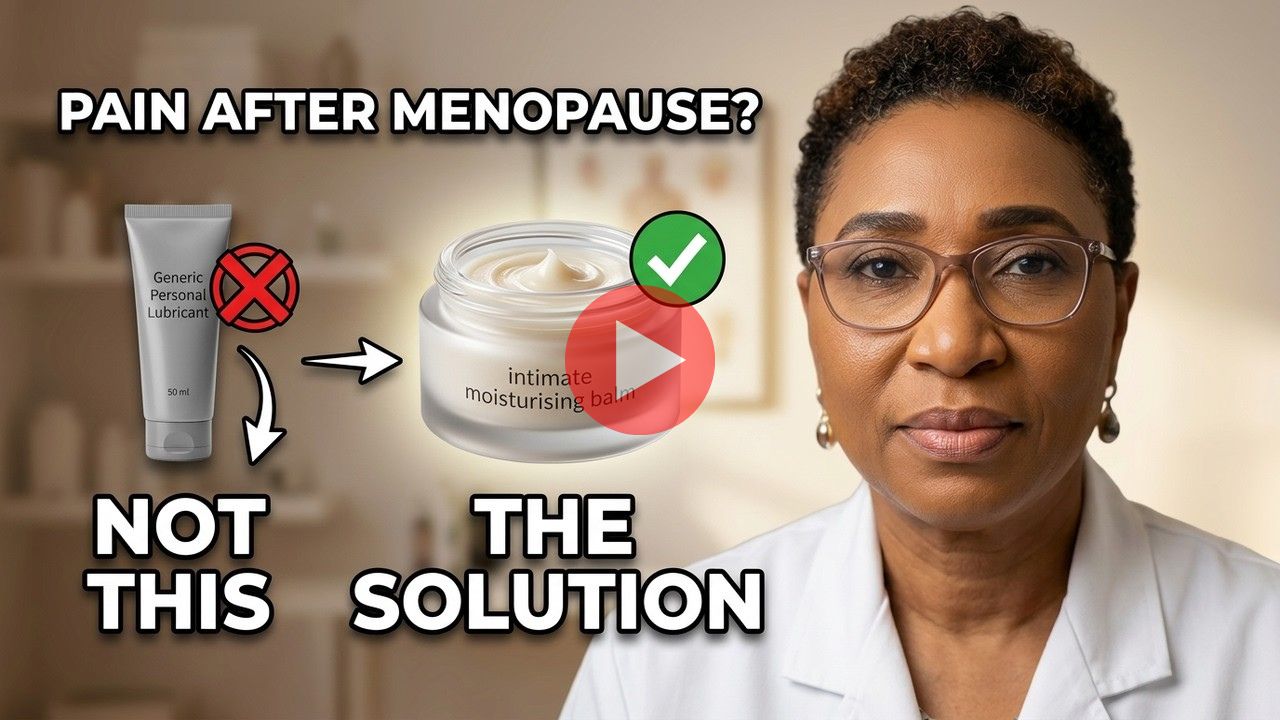
This video shares practical ways to reduce discomfort and make intimacy more enjoyable after menopause. It supports this article by showing how changes in lubrication, arousal, and sexual habits can help when sex starts to hurt.
How Falling Estrogen Transforms Your Vaginal Tissue
Estrogen does a lot of heavy lifting when it comes to vaginal health. It keeps the vaginal walls thick, flexible, and well-lubricated. During menopause, estrogen levels can drop by as much as 85%. That is not a subtle shift. The tissue responds by thinning out, losing its natural moisture, and becoming far more fragile. Doctors call this vaginal atrophy or, more recently, genitourinary syndrome of menopause (GSM). The vagina literally changes shape and texture over time without estrogen support. Blood flow to the area decreases too, which slows down the healing of any micro tears that happen during sex. Many women first notice changes during perimenopause, the transitional years before menopause fully arrives.
The pH balance of the vagina also shifts after menopause. A healthy premenopausal vagina sits around a pH of 3.5 to 4.5, which is slightly acidic. After menopause, the pH rises toward 5.0 or higher. This creates an environment where irritation flares up more easily. It also increases the risk of urinary tract infections and bacterial vaginosis, both of which make sex even more uncomfortable. These changes are not in your head. They are measurable, physical shifts happening at a cellular level.
The frustrating part is how slowly it sneaks up. You might not connect the dots for months or even years. One day, sex feels a little dry. Then it stings. Then you start avoiding it altogether. By the time you recognise the pattern, the tissue has already changed significantly. Understanding that estrogen loss is the root cause helps you stop blaming yourself and start looking for solutions that target the source.
Hidden Physical And Emotional Triggers That Intensify The Pain
Lower estrogen isn’t the only thing that can increase discomfort. Some medicines can contribute to dryness, while smoking may affect blood flow to vaginal tissue. When tissue becomes dry and sensitive, friction can cause soreness or small tears. This may also lead to unexpected bleeding after sex.
Past pain can also change how the body responds to intimacy. Worrying about discomfort may cause the pelvic floor muscles to tighten before penetration. That tension can make sex hurt more, which creates more worry next time. Stress, relationship concerns, and changes in body confidence can add to this cycle.
My wife once told me the uncertainty bothered her almost as much as the discomfort. Not knowing why her body had changed made intimacy feel stressful. Talking openly helped us stop treating sex like something that had to go according to plan. We could slow down, change what we were doing, and focus on comfort instead.
Warning Signs That Suggest More Than Normal Menopause Discomfort
Mild dryness and extra sensitivity can happen after menopause. However, ongoing burning, repeated bleeding, or unusual discharge deserves medical attention. These symptoms may have causes beyond hormonal changes. Some problems also respond better to targeted care than lubricant alone. Broader menopause symptom relief options can help you consider other changes happening at the same time.
Deep pain during penetration also deserves attention, especially when it becomes stronger over time. A healthcare professional can check for pelvic, vaginal, or urinary conditions that may cause discomfort. Describe where the pain occurs and how long it lasts. Clear details can make it easier to identify the next step.
Keep An Eye On These Changes
✓ Pain starts happening even without penetration.
✓ Urination becomes painful or noticeably more frequent.
✓ Itching or irritation keeps returning between sexual activity.
✓ New sores, lumps, or visible skin changes appear.
✓ Pelvic pressure develops alongside sexual discomfort.
Lubricants, Moisturisers, And Treatments That Bring Comfort Back
Lubricant is often a useful first step when friction makes sex uncomfortable. Water based options work with most condoms and sex toys, while silicone based formulas usually stay slippery longer. Vaginal moisturisers serve a different purpose because they are used regularly between sexual activity. Some contain hyaluronic acid to support vaginal moisture. These options can form part of a broader approach to improving comfort during and after menopause.
Persistent symptoms may need professional treatment rather than another bottle of lubricant. Vaginal estrogen is available in several forms and may help improve menopausal vaginal symptoms. Pelvic floor physiotherapy can also help when muscle tension contributes to painful penetration. A healthcare professional can recommend suitable options based on symptoms, medical history, and other medicines.
Comfort Planner
Match The Next Step To What You Notice
What You Notice
Useful Next Step
What It Can Address
Body needs longer to feel ready
Extend arousal before penetration
Rushing and insufficient natural lubrication
Certain positions trigger discomfort
Choose positions with depth control
Pressure and uncomfortable penetration depth
Pain causes automatic tightening
Ask about pelvic floor assessment
Protective muscle tension around penetration
Symptoms affect everyday comfort
Book a menopause health assessment
Symptoms extending beyond sexual activity
Several approaches haven’t helped
Request a review of other possible causes
Pain that may need a different diagnosis
Rebuilding Pleasurable Intimacy When Pain Has Taken Over
When sex has hurt several times, going straight back to penetration can create more tension. Take the pressure off and focus on touch, massage, oral sex, or other comfortable intimacy. This gives the body time to associate sexual contact with pleasure again. It can also help couples discover enjoyable ways to connect without making penetration the goal.
If you are wondering why does sex hurt after menopause?, pelvic floor tension can sometimes be part of the answer. Vaginal dilators may help some women gradually become more comfortable with penetration. They come in increasing sizes and should be used gently with suitable lubricant. A pelvic health professional can explain how to use them safely for your needs.
My wife and I also learned that communication became more important when her comfort changed. She needed me to slow down and check in rather than follow our old routine. I needed to know when something didn’t feel right without taking it personally. Those conversations made intimacy easier because neither of us had to guess what the other person needed.
Make Intimacy More Comfortable With Simply Timeless Aqua
Simply Timeless Aqua by Wicked Sensual Care is a water based lubricant designed to reduce friction and add moisture during intimacy. It fits naturally with this article because extra lubrication can help improve comfort when vaginal dryness contributes to painful sex after menopause.
Shop Now Simply Timeless Aqua by Wicked Sensual Care
FAQs About Why Sex Hurts After Menopause
Is painful sex after menopause caused only by vaginal dryness?
Dryness is one common cause. Sensitive tissue, reduced elasticity, pelvic floor tension, infection, irritation, and pelvic conditions can also contribute.
Why does penetration feel tighter after menopause?
Lower estrogen can reduce vaginal tissue elasticity. Anticipating pain may also cause pelvic floor muscles to tighten during penetration.
Can sex become comfortable again after menopause?
Many people improve comfort with lubricant, vaginal moisturisers, more arousal time, gentler penetration, or treatment recommended by a healthcare professional.
What type of lubricant can help with painful sex after menopause?
Water based and silicone based lubricants can reduce friction. Choose a product that feels comfortable and suits any condoms or toys being used.
Should I see a doctor if I bleed after sex after menopause?
Postmenopausal bleeding should be medically assessed. Fragile vaginal tissue can bleed, but other causes need to be ruled out.
To provide the best experiences, we use technologies like cookies to store and/or access device information. Consenting to these technologies will allow us to process data such as browsing behavior or unique IDs on this site. Not consenting or withdrawing consent, may adversely affect certain features and functions.
Functional
Always active
The technical storage or access is strictly necessary for the legitimate purpose of enabling the use of a specific service explicitly requested by the subscriber or user, or for the sole purpose of carrying out the transmission of a communication over an electronic communications network.
Preferences
The technical storage or access is necessary for the legitimate purpose of storing preferences that are not requested by the subscriber or user.
Statistics
The technical storage or access that is used exclusively for statistical purposes.The technical storage or access that is used exclusively for anonymous statistical purposes. Without a subpoena, voluntary compliance on the part of your Internet Service Provider, or additional records from a third party, information stored or retrieved for this purpose alone cannot usually be used to identify you.
Marketing
The technical storage or access is required to create user profiles to send advertising, or to track the user on a website or across several websites for similar marketing purposes.
To provide the best experiences, we use technologies like cookies to store and/or access device information. Consenting to these technologies will allow us to process data such as browsing behavior or unique IDs on this site. Not consenting or withdrawing consent, may adversely affect certain features and functions.
Functional
Always active
The technical storage or access is strictly necessary for the legitimate purpose of enabling the use of a specific service explicitly requested by the subscriber or user, or for the sole purpose of carrying out the transmission of a communication over an electronic communications network.
Preferences
The technical storage or access is necessary for the legitimate purpose of storing preferences that are not requested by the subscriber or user.
Statistics
The technical storage or access that is used exclusively for statistical purposes.The technical storage or access that is used exclusively for anonymous statistical purposes. Without a subpoena, voluntary compliance on the part of your Internet Service Provider, or additional records from a third party, information stored or retrieved for this purpose alone cannot usually be used to identify you.
Marketing
The technical storage or access is required to create user profiles to send advertising, or to track the user on a website or across several websites for similar marketing purposes.