October 23, 2026
October 23, 2026
7.00 Min Read
Can A Weak Pelvic Floor Affect Orgasms?
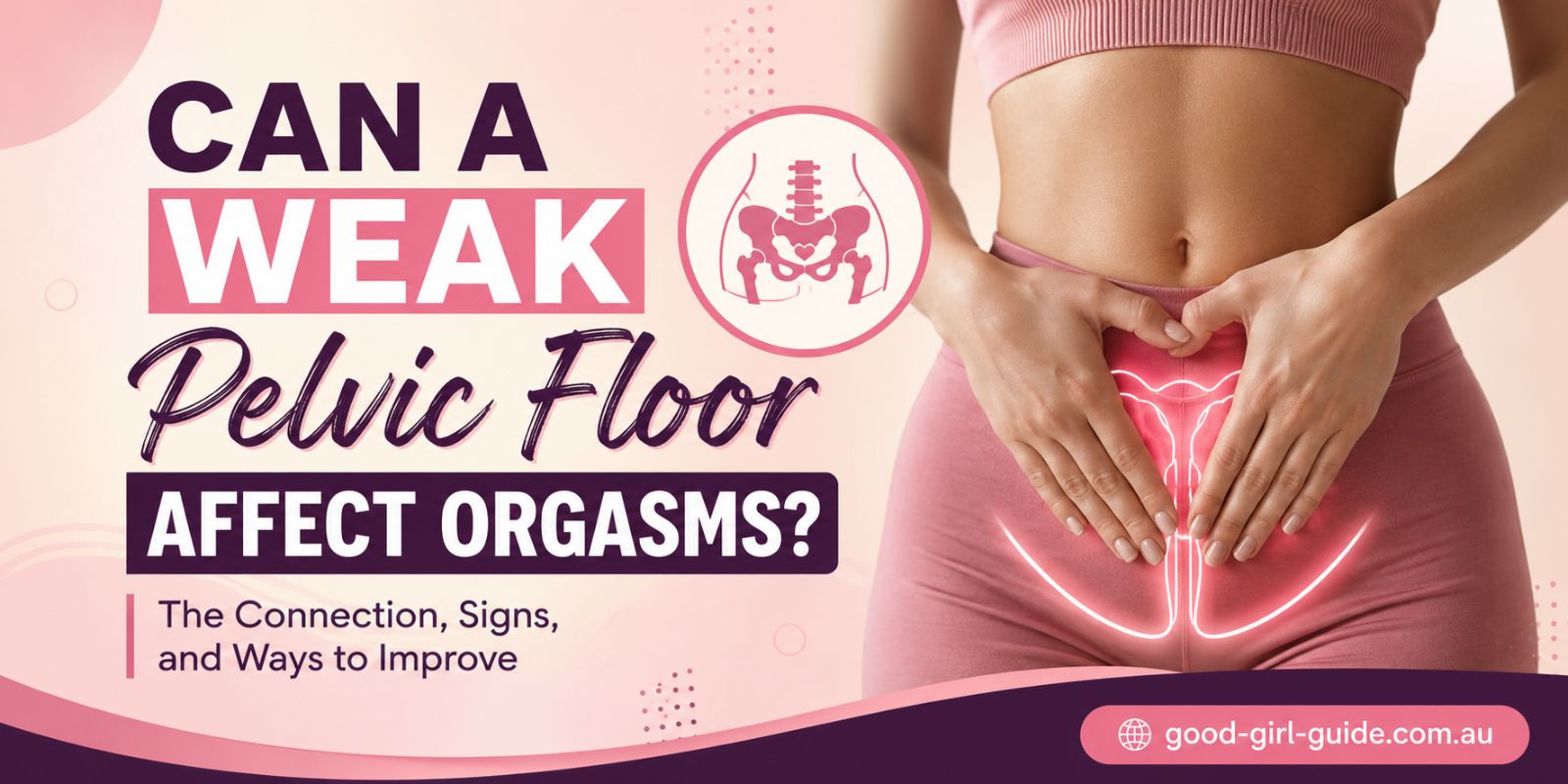
Most people associate the pelvic floor with bladder control or postpartum recovery. Few connect it directly to sexual pleasure. But those deep muscles sitting at the base of your pelvis play a starring role during orgasm. They contract, they pulse, they create that wave of intensity everyone chases. When those muscles grow weak, the whole experience shifts. Orgasms can feel flat, distant, or frustratingly hard to reach.
This isn’t something people talk about casually at dinner parties. But it should get more airtime. A weak pelvic floor doesn’t just cause sneeze-related emergencies. It quietly undermines sexual satisfaction for millions of women who assume the spark has simply faded. The connection between pelvic floor strength and orgasm quality is backed by research and confirmed by countless physiotherapists. So if something has changed in the bedroom and you can’t pinpoint why, your pelvic floor deserves a closer look.
Table Of Contents For Can A Weak Pelvic Floor Affect Orgasms?
- ① How Your Pelvic Floor Muscles Drive Every Orgasm
- ② Common Reasons Your Pelvic Floor Loses Strength Over Time
- ③ Subtle Signs That Pelvic Floor Weakness Is Stealing Your Pleasure
- ④ Exercises, Tools, And Habits That Restore Pelvic Floor Strength
- ⑤ When Home Exercises Aren’t Enough And Professional Support Makes Sense
- ⑥ Common Questions Around Can A Weak Pelvic Floor Affect Orgasms?
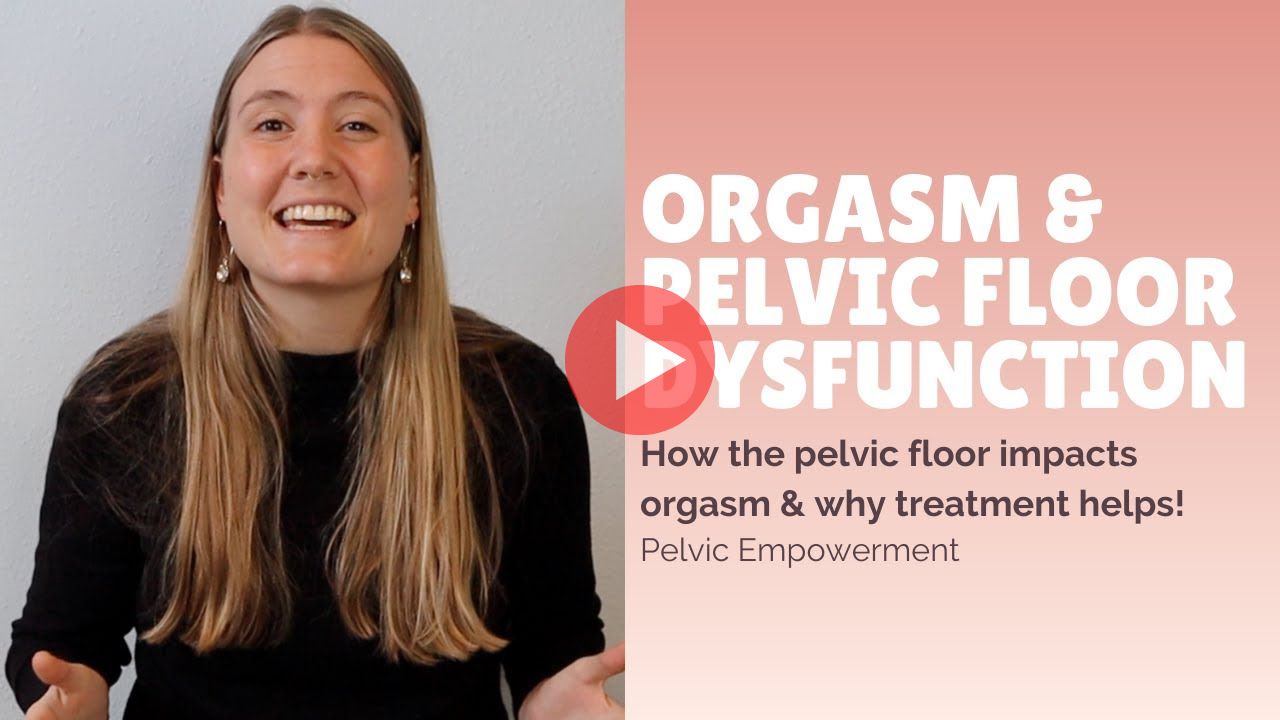
How Pelvic Floor Function Can Change The Way Orgasms Feel
This video explains how pelvic floor dysfunction can affect orgasm sensation and why climax may sometimes feel weaker or different. It supports this article by showing how pelvic muscle function can influence sexual response and pleasure.
How Your Pelvic Floor Muscles Drive Every Orgasm
Your pelvic floor is a group of muscles that supports your bladder, uterus, and bowel. These muscles also take part in sexual function. During orgasm, pelvic floor muscles contract in a rhythmic pattern and contribute to the sensations you feel. Knowing how to perform pelvic floor exercises for women can help you become more aware of these muscles and how they work.
Think of the pelvic floor as part of the muscle team behind an orgasm. When the muscles contract well, those rhythmic squeezes may feel more noticeable. If they are weak or poorly coordinated, some women may notice softer contractions or less sensation. However, pelvic floor strength is only one factor that can influence orgasm.
Arousal also increases blood flow around the clitoris, vagina, and surrounding tissues. This helps the genitals become more sensitive to stimulation. Hormones, stress, medication, comfort, stimulation, and pelvic muscle function can all influence the path from arousal to orgasm.
Common Reasons Your Pelvic Floor Loses Strength Over Time
Pregnancy and childbirth sit at the top of the list. Carrying a baby puts continuous pressure on the pelvic floor for months. Vaginal delivery stretches and sometimes tears these muscles. Many women recover naturally, but not all do. Without targeted rehabilitation, the weakness can persist for years. My girlfriend mentioned once that nobody told her this part. Not her doctor, not the prenatal classes, nobody. She found out on her own, which frustrated her more than the problem itself. Issues like recurrent UTIs after sex can also trace back to pelvic floor dysfunction, adding another layer to postpartum recovery challenges.
Hormonal changes during menopause also weaken these muscles. Declining estrogen thins the vaginal tissue and reduces muscle elasticity throughout the pelvic region. Age-related muscle loss plays a role even outside of menopause. Chronic constipation forces repeated straining that damages pelvic floor integrity over time. Heavy lifting with poor form, obesity, chronic coughing, and high-impact exercise can all contribute. Even sitting at a desk for eight hours a day lets these muscles slowly atrophy from disuse.
Stress and tension create a different problem. Some women develop a hypertonic pelvic floor, where the muscles stay chronically tight instead of weak. This sounds like the opposite issue, but tight muscles are not strong muscles. They fatigue quickly and can’t contract properly during orgasm. Anxiety, trauma, and habitual tension patterns all feed into this. So pelvic floor dysfunction isn’t always about weakness alone. It’s about muscles that can’t do their job, for one reason or another.
Subtle Signs That Pelvic Floor Weakness Is Stealing Your Pleasure
A change in orgasm sensation can be one clue that your pelvic floor needs attention. Orgasms may feel softer, shorter, or less noticeable than before. You might also need more stimulation to reach climax. Pelvic muscles play a role in sexual response across different bodies, and pelvic floor health can affect sexual function as well as everyday muscle control.
One symptom alone doesn’t confirm pelvic floor weakness. Hormones, medication, stress, arousal, pain, and other health changes can also affect sexual pleasure. Pay attention to several changes happening together. A pelvic health professional can assess muscle strength and coordination when symptoms persist.
Urine leakage when coughing, laughing, exercising, or sneezing
A heavy or dragging feeling around the pelvis
Difficulty holding back gas or controlling bowel movements
Trouble clearly identifying or controlling a pelvic floor contraction
Pressure or a noticeable bulge around the vaginal area
Exercises, Tools, And Habits That Restore Pelvic Floor Strength
Pelvic floor exercises can improve strength and control when they are performed correctly. Focus on gently lifting the pelvic floor rather than pushing downward or squeezing your buttocks. Regular practice is more useful than forcing harder contractions. Adding pelvic floor awareness to sex and fitness routines can also make the habit easier to maintain.
My girlfriend once pointed out that the easiest exercise plan is usually the one that fits into normal life. Pelvic floor training follows the same principle. Short, consistent sessions can feel less demanding than turning every workout into another performance target. If you can’t identify the correct muscles, a pelvic health physiotherapist can check your technique.
When Home Exercises Aren’t Enough And Professional Support Makes Sense
If Kegels and lifestyle changes don’t improve things after three months, professional assessment makes sense. A pelvic floor physiotherapist can perform an internal examination to measure muscle strength, coordination, and resting tone. They identify whether the issue is weakness, tension, or a combination. This matters because the treatment plan differs dramatically between a weak floor and a hypertonic one. Doing more Kegels on an already tight pelvic floor can make things worse, not better.
Specialized treatments include biofeedback therapy, electrical stimulation, manual release techniques, and dilator therapy. Some women benefit from estrogen therapy if hormonal changes drive the dysfunction. Others need psychological support alongside physical rehabilitation, especially when trauma or anxiety contributes to chronic tension. A good physiotherapist builds a personalized plan rather than handing out a generic Kegel sheet. Many women feel relief just from getting a clear diagnosis after months of confusion.
Don’t wait until symptoms become severe. Early intervention produces faster, more complete recovery. Pelvic floor dysfunction is progressive. Mild weakness today can become significant prolapse in five years without attention. Sexual pleasure doesn’t have to decline with age or after childbirth. The muscles respond to training at any stage. Women in their 60s and 70s report meaningful improvements with consistent effort. This is one area where taking action almost always pays off.
Train Your Pelvic Floor With The Elvie Kegel Exerciser
The Award Winning Kegel Exerciser by Elvie provides guided feedback to help you identify and train your pelvic floor muscles correctly. It fits naturally with this article because better pelvic floor strength and control may support sexual function, including the muscle contractions involved during orgasm.

Common Questions Around Can A Weak Pelvic Floor Affect Orgasms?
Can weak pelvic floor muscles make orgasms feel weaker?
Reduced pelvic floor strength or coordination may make orgasm contractions feel less noticeable for some women. Other physical and emotional factors can also change orgasm intensity.
Can pelvic floor exercises make orgasms stronger?
Pelvic floor training may improve sexual function for some women. Results depend on correct technique and the type of pelvic floor problem present.
How long can pelvic floor exercises take to affect orgasm sensation?
Muscle changes usually require consistent practice over time. Progress varies with starting strength, technique, muscle coordination, and any other factors affecting sexual function.
Can too many Kegels make orgasms harder to reach?
Constant tightening may be unhelpful when pelvic floor muscles are already tense. Pain, tightness, or difficulty relaxing deserves assessment before adding more strengthening exercises.
Should I see a pelvic floor therapist if my orgasms suddenly feel different?
Persistent changes accompanied by pain, leakage, pressure, or muscle control problems are good reasons to seek assessment from a qualified pelvic health professional.