
October 09, 2026
October 09, 2026
6.00 Min Read
Pelvic Floor Exercises For Women: Strengthen From Within For Better Health And Better Sex
Let’s talk about a muscle group that quietly runs the show down there. Your pelvic floor sits like a hammock at the base of your pelvis, holding up organs, controlling your bladder, and playing a surprisingly starring role in orgasms. Most women don’t think about these muscles until something goes wrong. A sneeze-and-leak moment. A post baby heaviness. Or that frustrating feeling of reduced sensation during sex. The good news? Pelvic floor exercises for women can fix, improve, or prevent most of these issues. And they take less time than brushing your teeth.
I will be honest I ignored my pelvic floor for years. I figured it was something only new mums needed to worry about. Then my boyfriend casually mentioned he’d read about how pelvic floor strength affects orgasm intensity, and suddenly I was very interested. Turns out, he wasn’t wrong. After a few weeks of consistent practice, I noticed a genuine difference during sex. Tighter grip, stronger contractions, more intense finishes. So trust me when I say these exercises deserve a permanent spot in your daily routine, no matter your age or stage of life.
Table Of Contents For Pelvic Floor Exercises For Women
- ① Why Your Pelvic Floor Weakens And What That Feels Like
- ② Finding The Right Muscles And Perfecting Your Kegel Technique
- ③ Daily Pelvic Floor Routines That Fit Into Any Schedule
- ④ How A Stronger Pelvic Floor Transforms Your Sexual Pleasure
- ⑤ Mistakes That Stall Your Progress And When To See A Specialist
- ⑥ FAQs About Pelvic Floor Exercises For Women
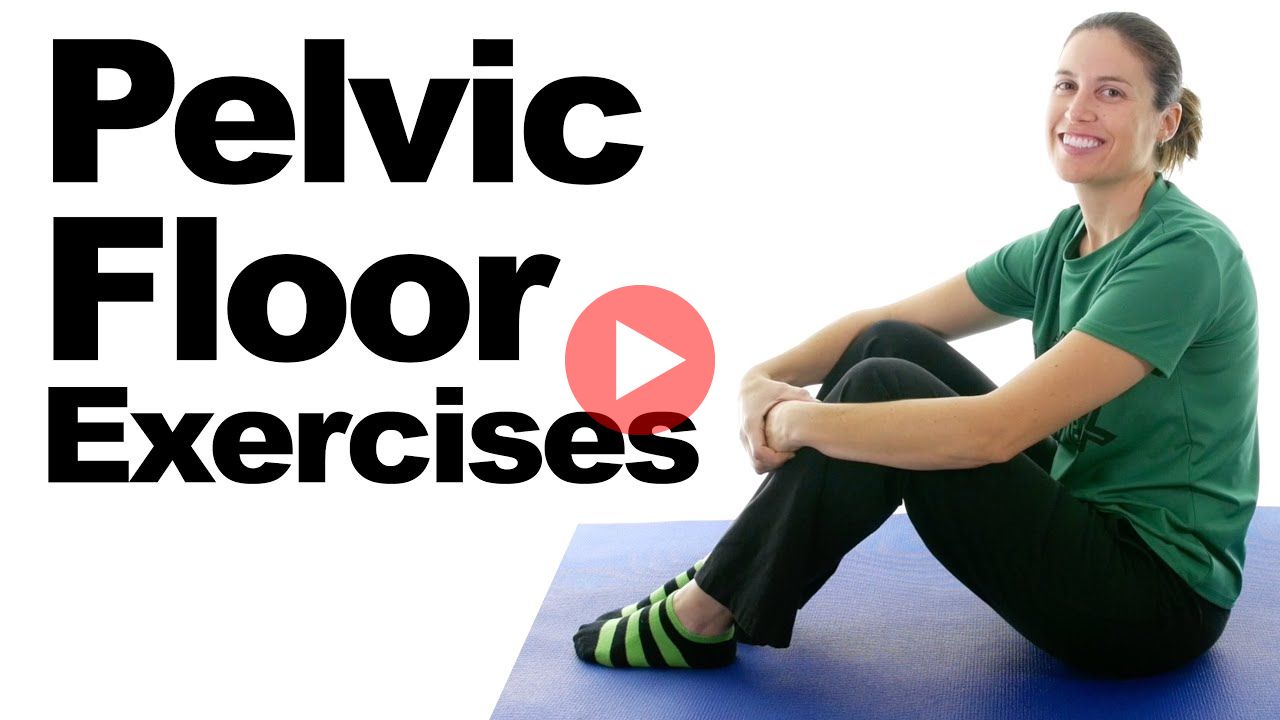
Watch Top 5 Pelvic Floor Exercises For Better Control
This video demonstrates five pelvic floor exercises and shows how different movements can support pelvic strength and control. It complements the exercises above by giving you a visual reference for putting good technique into practice.
 Why Your Pelvic Floor Weakens And What That Feels Like
Your pelvic floor muscles don’t just weaken overnight. Pregnancy and childbirth top the list because the weight of a growing baby stretches and strains those muscles for months. Vaginal delivery adds even more pressure, sometimes causing micro tears in the muscle fibres. But motherhood isn’t the only culprit. Chronic constipation, heavy lifting with poor form, obesity, menopause related hormonal shifts, and even persistent coughing can gradually wear these muscles down. Women who experience recurrent UTIs after sex often discover that a weakened pelvic floor contributes to incomplete bladder emptying, which fuels the cycle.
The early signs are easy to dismiss. You might leak a few drops when you laugh hard or jump on a trampoline. Maybe you feel a subtle heaviness or dragging sensation in your lower pelvis toward the end of the day. Some women notice they can’t hold their bladder as long as they used to. Others feel less sensation during sex, like everything is looser than it once was. These symptoms creep in slowly, so many women assume they’re just a normal part of ageing.
They are common, but they are not something you have to accept. A weak pelvic floor sends clear signals, and those signals are your cue to start exercising these muscles before things escalate. Ignoring them can lead to stress incontinence, pelvic organ prolapse, or significant loss of sexual satisfaction. The earlier you respond, the faster and easier the recovery.
Finding The Right Muscles And Perfecting Your Kegel Technique
Start by finding the muscles that create a gentle squeeze and lift inside your pelvis. Imagine stopping urine flow to recognise the sensation, but don’t regularly practise while urinating. Keep your stomach, thighs, and buttocks relaxed while breathing normally.
Once you find the muscles, gently squeeze and lift for three to five seconds. Relax fully for the same amount of time, then repeat. Focus on pulling upward rather than pushing down. Pelvic floor control can support sexual comfort, although concerns such as vaginal dryness during sex can have separate causes.
As the exercises become easier, gradually increase your hold time. You can also add short, quick squeezes followed by complete relaxation. Combining controlled holds with quicker contractions helps your pelvic floor respond to different everyday demands.
Daily Pelvic Floor Routines That Fit Into Any Schedule
Pelvic floor practice becomes easier when it fits around habits you already have. Choose moments you’ll remember, such as morning coffee or getting ready for bed. Regular pelvic floor work can also sit naturally alongside your wider fitness and sexual wellness routines.
Once basic contractions feel comfortable, introduce more movement gradually. Exercises such as bridges, supported squats, and controlled standing movements can challenge pelvic coordination in different positions. Keep breathing freely and allow the muscles to relax between contractions.
How A Stronger Pelvic Floor Can Support Sexual Pleasure
Pelvic floor muscles play a role in sexual function and contract during orgasm. Improving strength and control may help some women become more aware of these muscles during intimacy. Pelvic floor health matters for men too, so pelvic fitness can be relevant to both partners.
My boyfriend reminded me that progress isn’t always something you notice overnight. Better muscle awareness developed gradually as the exercises became easier. For me, feeling more comfortable controlling and relaxing those muscles was more useful than chasing dramatic changes.
Intimate Wellbeing
Where Pelvic Floor Fitness May Help
Muscle awareness during intimate moments
Better coordination between contraction and relaxation
Pelvic support during physical activity
Greater confidence in recognising pelvic muscle signals
Improved control when responding to changes in pressure
Mistakes That Stall Your Progress And When To See A Specialist
A common mistake is pushing downward instead of gently lifting the pelvic floor. Holding your breath or tightening your stomach and buttocks can also interfere with good technique. Too many repetitions may leave the muscles tired or uncomfortable.
Pelvic floor exercises for women aren’t always about making the muscles tighter. Some women already have tense pelvic floor muscles. Pelvic pain, painful sex, difficulty inserting tampons, or trouble emptying the bladder can signal that relaxation needs more attention.
Consider seeing a pelvic health physiotherapist when symptoms persist or exercises make them worse. Seek medical advice sooner for pelvic pain, bowel control changes, or a vaginal bulge. A professional assessment can show whether you need strengthening, relaxation, coordination work, or further investigation.
Support Your Routine With The KegelSmart Pelvic Floor Trainer
The KegelSmart Rechargeable Pelvic Floor Trainer by Intimina adds guided feedback to pelvic floor exercises for women. It can help make regular practice feel more structured while supporting better awareness, control, and consistency as your routine develops.

FAQs About Pelvic Floor Exercises For Women
How often should women do pelvic floor exercises?
Regular practice works better than occasional intense sessions. A pelvic health professional can tailor repetition numbers and hold times to your current strength and symptoms.
How long does it take for pelvic floor exercises to work?
Muscle changes take time, and progress varies between women. Consistent technique over several weeks or months is more useful than expecting a change after a few sessions.
Can I do pelvic floor exercises while urinating?
Don’t routinely practise by stopping your urine stream. NIDDK advises against doing pelvic floor exercises during urination because this can interfere with normal bladder emptying.
Can pelvic floor exercises improve sex?
Pelvic floor muscles contribute to sexual function and vaginal muscle control. Comfort also depends on arousal, lubrication, relaxation, health conditions, and communication with your partner.
Can Kegels make pelvic floor problems worse?
They may be unsuitable when the muscles are already too tense or when technique causes downward pressure. Pain or worsening symptoms are good reasons to seek a pelvic health assessment.