Bleeding after sex is common and usually harmless. It often results from cervical irritation, vaginal dryness, friction, or minor tissue tears. Most cases resolve on their own within hours. Spotting that happens once or twice typically needs no medical attention. Repeated bleeding, heavy flow, pain, or unusual discharge alongside it could signal infections, polyps, or hormonal changes that need a doctor’s evaluation.
Bleeding After Sex: When Should You Worry?
Few things kill the afterglow faster than spotting blood on the sheets. If this has happened to you, the first reaction is usually panic. Your brain jumps straight to worst-case scenarios. But here’s the thing. Postcoital bleeding (fancy medical term for bleeding after sex) affects up to 9% of menstruating women at some point. It’s surprisingly common and rarely means something serious.
That said, “common” doesn’t mean you should ignore it forever. Sometimes your body sends signals that deserve attention. I remember my boyfriend and I having an awkward moment early in our relationship when this happened to me. After spiralling on Google for two hours, I finally called my GP. Turns out it was nothing more than dryness from a new birth control pill. The relief was enormous. So let’s walk through what causes it, when it’s harmless, and when you should pick up the phone and book an appointment. Knowledge takes the fear out of it.
☰
Navigate This Article
Table Of Contents For Bleeding After Sex: When Should You Worry?
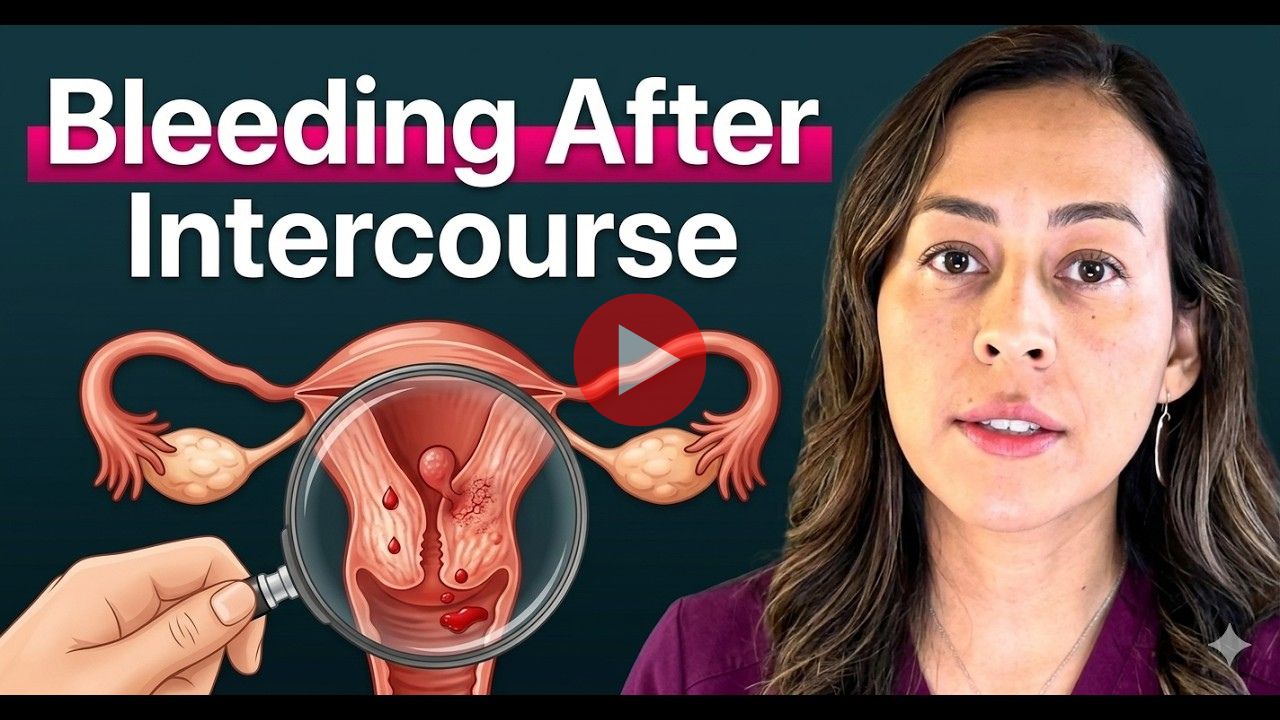
This video explains common reasons bleeding can happen after sex and highlights symptoms that may need medical attention. It supports this article by helping women recognise when occasional spotting may warrant a conversation with their doctor.
Why Bleeding After Sex Happens And What Your Body Is Telling You
The cervix sits at the top of the vaginal canal. It’s covered in delicate tissue packed with tiny blood vessels. During penetration, friction against the cervix can irritate those vessels. This is the single most common reason for post sex spotting. Vigorous sex, certain positions, or insufficient lubrication make it more likely. The blood is usually light pink or brownish and stops within a few hours. Think of it like a minor scrape on your knee. It looks alarming but heals quickly on its own. Some women also notice light bleeding around ovulation, which can overlap with sexual activity and create confusion about the source. Timing matters when figuring out what caused it. If you have ever experienced period sex and its effects, you already know that blood during intimacy isn’t always a sign of trouble.
Vaginal dryness is another top culprit. Without enough natural lubrication, the vaginal walls experience micro-tears from friction. These tiny tears bleed. Stress, dehydration, antihistamines, and even the time of your cycle all influence how wet you get. Women often blame themselves or feel embarrassed about dryness. It’s a physiological response affected by dozens of factors outside your control.
Cervical ectropion is something many women have never heard of. It’s a condition where the soft cells from inside the cervical canal grow on the outer surface. These cells bleed more easily when touched. It’s extremely common in younger women and those on hormonal contraceptives. Doctors consider it normal, and it usually requires no treatment at all. The bleeding from ectropion tends to be light and painless.
Hidden Hormonal And Health Triggers Most Women Overlook
Hormonal changes can make vaginal tissue drier, thinner, and easier to irritate during sex. Lower estrogen can occur during breastfeeding, after childbirth, and around menopause. Hormonal contraception may also change spotting patterns. Women noticing cycle changes alongside unexpected bleeding may find these perimenopause symptoms useful for recognising other changes happening at the same time.
Some health conditions can cause bleeding without obvious early symptoms. Cervical inflammation from an STI and cervical polyps are two examples. Both can make cervical tissue more likely to bleed after contact. Recurring bleeding needs medical assessment because spotting alone cannot tell you which condition is responsible.
Health Snapshot
Hidden Triggers Behind Bleeding After Sex
Possible Trigger
What May Be Happening
Clues You May Notice
Hormonal Contraception
Starting or changing hormonal contraception can alter normal bleeding patterns.
New spotting may appear between periods or around sexual activity.
Cervical Ectropion
Delicate glandular cells sit on the outer surface of the cervix and can bleed after contact.
Light spotting may follow penetration without significant pain.
Cervical Polyps
Small growths on the cervix can be sensitive to physical contact.
Spotting may occur after sex or between menstrual periods.
Cervical Infection
Some infections can inflame the cervix and make its surface more likely to bleed.
Unusual discharge, pelvic discomfort, or bleeding between periods may occur.
Pregnancy Related Changes
Pregnancy increases blood flow to the cervix, making it more sensitive to contact.
Light spotting can occur, but pain or heavier bleeding needs prompt medical assessment.
Keep in mind: These clues can overlap. A symptom pattern can help your clinician investigate, but it cannot confirm the cause on its own.
Warning Signs That Separate Harmless Spotting From Something Serious
One off light spotting after rough or prolonged sex? That’s almost always benign. Repeated bleeding after every sexual encounter is different. Frequency and pattern tell you a lot. If it happens three or more times without an obvious cause like dryness, it’s time to investigate. Track dates, the amount of blood, and any associated symptoms. A simple notes app on your phone works perfectly. This information helps your doctor narrow down potential causes much faster. Pain during sex combined with bleeding is a particularly important pattern to mention during your appointment.
Heavy bleeding that soaks through a pad or continues for more than a day crosses into concerning territory. So does bleeding accompanied by pelvic pain, fever, or foul-smelling discharge. These combinations can indicate pelvic inflammatory disease, advanced infections, or in rare cases, cervical abnormalities. Post-menopausal bleeding after sex always warrants a medical visit. Any bleeding after menopause is considered abnormal and should be evaluated regardless of the amount.
Abnormal Pap smear results combined with post-sex bleeding deserve prompt follow-up. Cervical cancer is rare, especially in women who attend regular screenings. But persistent bleeding is one of its earliest symptoms. The goal isn’t to terrify you. The goal is to empower you with knowledge so you can act calmly and quickly if the signs add up. Most investigations come back with reassuring results. Early detection of anything unusual gives you the best possible outcome. When sex becomes painful alongside bleeding, addressing both symptoms together leads to better answers.
Practical Ways To Prevent Bleeding And Protect Your Comfort
Reducing friction can make penetration more comfortable when dryness or irritation contributes to spotting. Give your body enough time to become aroused and use lubricant before discomfort begins. My boyfriend learned fairly quickly that rushing the warm up wasn’t doing either of us any favours. If soreness regularly accompanies spotting, knowing more about why sex can be painful can help you recognise symptoms worth mentioning to your doctor.
Ongoing vaginal dryness may need more than extra lubricant during sex. Vaginal moisturisers are designed for regular use and can help maintain moisture between sexual activity. Hormonal changes may require medical treatment instead. Speak with a doctor if dryness continues, bleeding returns, or home adjustments aren’t improving your comfort.
Comfort Checklist
5 Practical Ways To Reduce Irritation
1
Slow Down When Something Feels WrongDon’t push through burning, stinging, or sudden tenderness during penetration.
2
Choose A Comfortable DepthAdjust penetration depth when deeper contact repeatedly causes discomfort or spotting.
3
Give Irritated Tissue Time To RecoverWait until tenderness settles before introducing penetration again.
4
Track When Spotting AppearsRecord cycle timing and sexual activity to identify a recurring pattern.
5
Get Recurring Bleeding CheckedRepeated post sex bleeding deserves medical assessment even when each episode seems minor.
What To Expect At The Doctor And How To Prepare For Your Visit
Your doctor will usually start by asking about your periods, contraception, sexual health, and when the bleeding occurs. Give specific details about frequency, amount, pain, and other symptoms. A pelvic examination may be recommended, along with cervical screening if it is due.
Further testing depends on your symptoms and examination. Your doctor may recommend infection testing, a pregnancy test, blood tests, or an ultrasound. Some cervical changes may need closer examination or additional testing. These steps help identify the source rather than relying on symptoms alone.
If you are wondering about bleeding after sex, recurring or unexplained bleeding is a good reason to book an appointment. Write down your symptoms and questions beforehand. Clear information helps your doctor decide which tests or treatment may be appropriate.
Reduce Friction With Mood Water Based Lubricant
When dryness and friction contribute to irritation after sex, extra lubrication can make penetration more comfortable. Mood Lube Water-Based Lubricant by Doc Johnson offers a simple way to add moisture and reduce friction, complementing the comfort focused steps covered in this article.
Shop Now Mood Lube Water Based Lubricant by Doc Johnson
FAQs About Bleeding After Sex: When Should You Worry?
Can I bleed after sex if it is my first time?
Friction or small tissue injuries can cause spotting after penetration. Bleeding that is heavy, painful, or keeps returning should be checked.
Can rougher sex cause bleeding afterwards?
More friction can irritate vaginal tissue, especially when lubrication is limited. Give soreness time to settle and seek medical advice if bleeding returns.
Can ovulation cause bleeding that appears after sex?
Cycle related spotting can sometimes occur around hormonal changes. Bleeding that repeatedly follows sex still deserves assessment instead of being blamed on ovulation.
Should I worry about bleeding after sex after menopause?
Arrange a medical appointment for any vaginal bleeding after menopause. A doctor should investigate the cause even when spotting is light.
What should I track before seeing my doctor?
Note the amount, colour, duration, cycle timing, pain, discharge, medications, and how often bleeding happens. These details can help guide the assessment.
To provide the best experiences, we use technologies like cookies to store and/or access device information. Consenting to these technologies will allow us to process data such as browsing behavior or unique IDs on this site. Not consenting or withdrawing consent, may adversely affect certain features and functions.
Functional
Always active
The technical storage or access is strictly necessary for the legitimate purpose of enabling the use of a specific service explicitly requested by the subscriber or user, or for the sole purpose of carrying out the transmission of a communication over an electronic communications network.
Preferences
The technical storage or access is necessary for the legitimate purpose of storing preferences that are not requested by the subscriber or user.
Statistics
The technical storage or access that is used exclusively for statistical purposes.The technical storage or access that is used exclusively for anonymous statistical purposes. Without a subpoena, voluntary compliance on the part of your Internet Service Provider, or additional records from a third party, information stored or retrieved for this purpose alone cannot usually be used to identify you.
Marketing
The technical storage or access is required to create user profiles to send advertising, or to track the user on a website or across several websites for similar marketing purposes.
To provide the best experiences, we use technologies like cookies to store and/or access device information. Consenting to these technologies will allow us to process data such as browsing behavior or unique IDs on this site. Not consenting or withdrawing consent, may adversely affect certain features and functions.
Functional
Always active
The technical storage or access is strictly necessary for the legitimate purpose of enabling the use of a specific service explicitly requested by the subscriber or user, or for the sole purpose of carrying out the transmission of a communication over an electronic communications network.
Preferences
The technical storage or access is necessary for the legitimate purpose of storing preferences that are not requested by the subscriber or user.
Statistics
The technical storage or access that is used exclusively for statistical purposes.The technical storage or access that is used exclusively for anonymous statistical purposes. Without a subpoena, voluntary compliance on the part of your Internet Service Provider, or additional records from a third party, information stored or retrieved for this purpose alone cannot usually be used to identify you.
Marketing
The technical storage or access is required to create user profiles to send advertising, or to track the user on a website or across several websites for similar marketing purposes.